

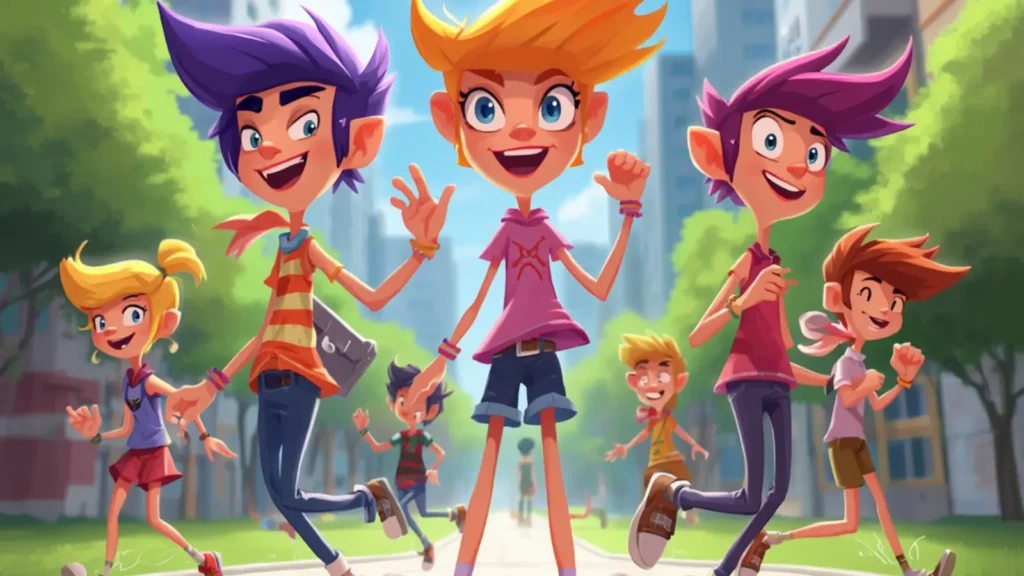
Skinny cartoon characters have captivated audiences for over a century with their exaggerated proportions, memorable personalities, and comedic timing.
From the pioneering days of Olive Oyl to modern favorites like Squidward Tentacles and Shaggy Rogers, these thin animated figures dominate pop culture.
Whether you’re searching for tall skinny cartoon characters, lanky animated icons, or the best thin cartoon characters list, this comprehensive guide delivers everything you need.
Discover their history, design secrets, cultural impact, and why they continue to resonate in 2026.
Table of Contents
- The Evolution of Skinny Cartoon Characters
- Why Animators Choose Slim Designs: Techniques and Symbolism
- Top 25 Most Iconic Skinny Cartoon Characters
- Cultural Significance and Body Representation Debates
- Skinny vs. Other Body Types in Animation
- Fun Facts, Memes, and Modern Relevance
- FAQ: Your Questions About Thin Animated Characters Answered
- Conclusion
The History and Evolution of Skinny Cartoon Characters
The roots of skinny cartoon characters go back to the early 20th century. In 1919, E.C. Segar introduced Olive Oyl in the Thimble Theatre comic strip (later Popeye). Her tall, lanky frame with a long neck, oversized feet, and rubbery limbs became iconic. Initially drawn more proportioned, her design slimmed dramatically by the late 1920s, perfect for physical comedy in the animated shorts.
During the Golden Age of Animation (1930s–1950s), Warner Bros. and Disney embraced exaggerated forms. Wile E. Coyote, the gaunt predator in Looney Tunes, used his starved, angular body for endless slapstick failures with ACME gadgets. His lanky silhouette made high-speed chases and dramatic falls visually dynamic.
The television era amplified this trend. Scooby-Doo (1969) gave us Norville “Shaggy” Rogers — the laid-back, lanky teen whose baggy clothes and long limbs made him ideal for frantic ghost chases. In the 1990s–2000s, SpongeBob SquarePants introduced Squidward Tentacles, whose tall, teal, octopus-like thinness perfectly contrasted the rounder cast and fueled his curmudgeonly humor.
Tim Burton’s The Nightmare Before Christmas (1993) brought Jack Skellington, the skeletal Pumpkin King whose elegant thinness defined stop-motion artistry. Today, skinny designs appear across CGI, anime-influenced shows, and streaming animations, proving the style’s timeless appeal.
Technological shifts played a role too. Hand-drawn animation favored slim characters for fewer lines and easier squash-and-stretch. Modern rigging in CGI allows hyper-expressive lanky models with realistic (yet cartoonish) physics.
Why Animators Love Creating Thin and Lanky Cartoon Characters
Slim body types offer practical and artistic advantages. The core principle of squash and stretch — one of the 12 Principles of Animation — shines with skinny figures. Long limbs can deform dramatically without losing volume, creating bouncy, energetic movement that feels alive.
Visual Contrast and Comedy: Pairing a skinny character with a round one (Shaggy & Scooby, Squidward & SpongeBob) generates instant humor through mismatched interactions. Tall, thin frames excel in chases, falls, and over-the-top expressions.
Symbolism: Lanky designs often represent speed (Sonic the Hedgehog), intellect or greed (Mr. Burns), vulnerability (Ichabod Crane), or artistic pretension (Squidward). They stand out in group shots due to strong silhouettes and negative space.
Efficiency and Appeal: Fewer details speed up production. Audiences connect with these characters’ quirks over their physiques, turning potential stereotypes into beloved traits.
Top 25 Iconic Skinny Cartoon Characters (With Profiles)
Here’s a curated, expanded list of the best tall skinny cartoon characters and thin animated legends:
- Olive Oyl (Popeye) — The original skinny icon. Feisty, independent, and comically elastic. Her long limbs and bun hairstyle defined early animation romance.
- Shaggy Rogers (Scooby-Doo) — The ultimate lanky slacker. Tall with messy hair and baggy clothes. His high-metabolism jokes pair with enormous appetite (though later series made him vegetarian due to voice actor Casey Kasem’s influence).
- Squidward Tentacles (SpongeBob SquarePants) — Grumpy artist with a bulbous nose and elegant suffering. His slender form highlights neighborly chaos.
- Jack Skellington (The Nightmare Before Christmas) — Skeletal elegance meets whimsical leadership. Tim Burton’s masterpiece of thin design.
- Wile E. Coyote (Looney Tunes) — Perpetually hungry genius whose gaunt frame sells epic failures.
- Mr. Burns (The Simpsons) — Skeletal billionaire whose frail thinness underscores power and frailty.
- Ichabod Crane (The Adventures of Ichabod and Mr. Toad) — Gangly schoolteacher with hawk nose — perfect for spooky comedy.
- Ren Hoek (The Ren & Stimpy Show) — Neurotic, angular chihuahua full of rage and gross-out humor.
- Rabbit (Winnie the Pooh) — Uptight, lanky organizer of the Hundred Acre Wood.
- Lurch (The Addams Family) — Towering, thin butler with his iconic “You rang?”
- Sonic the Hedgehog — Lean speedster whose thin quills scream velocity.
- Goofy (Disney) — Tall, gangly dog whose clumsiness and “Gawrsh!” charm generations.
- Ed, Edd n Eddy cast (especially Edd) — Lanky schemers in classic 90s style.
- Wednesday Addams (various animated adaptations) — Pale, thin gothic icon.
- Sid (Ice Age) — Lanky sloth with a heart of gold.
Additional standouts: Daffy Duck (lanky in many shorts), various Foster’s Home characters like Wilt, and modern anime-influenced thin heroes/villains. Fandom wikis list hundreds more, from classic to niche.
Cultural Impact, Memes, and Body Representation
Skinny cartoon characters influence fashion, memes, and discussions on media. Shaggy’s 70s vibe inspires cosplay. “Handsome Squidward” edits went viral. Jack Skellington dominates Halloween and goth aesthetics.
These characters spark conversations about body diversity in animation. While thin ideals appear frequently, exaggeration allows all shapes to thrive comedically. Modern shows balance this with broader representation while keeping classic lanky favorites.
TikTok and Reddit celebrate “skinny and scrawny” icons with nostalgia edits and debates. Merchandise — Funko Pops, apparel, art prints — remains strong.
Skinny vs. Chubby Cartoon Characters: Why the Contrast Works
Animation thrives on variety. Skinny characters often drive stories through agility or wit, while rounder ones (Homer Simpson, Patrick Star) provide grounded humor. This balance creates dynamic ensembles and richer visual storytelling.
Fun Facts and Fan Theories
- Olive Oyl predates Popeye by nearly a decade and was the original star.
- Shaggy’s vegetarian phase was a direct result of Casey Kasem’s activism.
- Squidward’s voice drew from a real grumpy cashier.
- Many skinny designs use negative space for expressive faces.
Fan theories range from Mr. Burns symbolizing unchecked capitalism to Ichabod representing reason vs. superstition.
FAQ: Common Questions About Skinny Cartoon Characters
Who is the skinniest cartoon character? Jack Skellington or Mr. Burns often top lists due to their skeletal or extremely gaunt designs.
Are there female skinny cartoon characters? Yes — Olive Oyl, Wednesday Addams, and many others.
Why do so many villains look skinny? Thinness can visually signal cunning, speed, or otherworldliness.
Best episodes featuring these characters? Search for “Handsome Squidward,” Shaggy chases, or Wile E. Coyote’s best failures.
Conclusion: Why Skinny Cartoon Characters Endure
From early rubber-hose animation to today’s digital masterpieces, thin and lanky cartoon characters prove that personality and clever design trump realism. They deliver laughs, heart, and visual innovation while sparking cultural conversations.
Which skinny cartoon character is your favorite? Drop a comment below, share your cosplay photos, or explore more animation guides on our site. Bookmark this page for the ultimate reference on tall skinny cartoon characters and beyond!

