

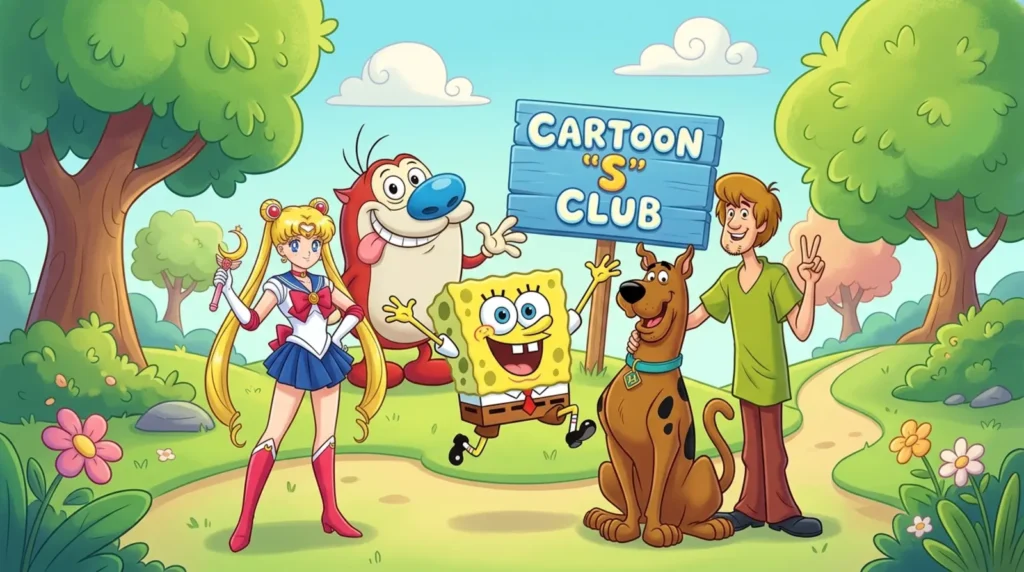
Cartoon characters that start with S dominate the animation landscape like no other letter. From optimistic sea sponges and snack-loving dogs to wise-cracking ogres and regal lions, “S” names bring a mix of silliness, strength, sophistication, and heart that has defined generations of storytelling. These characters often steal scenes with their memorable voices, expressive designs, and relatable (or hilariously unrelatable) personalities.
If you’re hunting for trivia, naming inspiration, or a deep dive into why these figures endure, you’ve found the ultimate guide. We’ll cover origins, design secrets, cultural ripples.
The Enduring Appeal of “S” Characters in Animation
The letter S lends itself to soft, sibilant sounds perfect for catchy names and expressive animation. Think slinky movements, smirks, or speedy antics. Psychologically, many S characters embody archetypes like the everyman hero (SpongeBob), loyal companion (Scooby-Doo), or complex anti-hero (Scar). Their designs frequently use rounded shapes for approachability or sharp contrasts for menace, following core animation principles of silhouette and exaggeration.
From Golden Age shorts to modern CGI blockbusters, S characters reflect evolving trends: early ones often provided comic relief, while later entries tackle deeper themes like identity, friendship, and redemption. Their merchandising power and meme status keep them culturally relevant.
Read Also This Blog : Click Now
Disney Magic: Royal Lions, Mischievous Experiments, and Crustacean Maestros
Disney’s S roster is massive and beloved.
Simba (The Lion King): The destined king voiced by Jonathan Taylor Thomas (young) and Matthew Broderick. A classic hero on a journey of responsibility, his golden mane and expressive eyes symbolize growth. Fun fact: His story draws from Shakespeare’s Hamlet, blending African-inspired visuals with universal themes—boosting Disney’s Renaissance era.
Stitch (Lilo & Stitch): Experiment 626, the chaotic blue alien who finds family. His destructive design (big ears, extra arms) contrasts his heartfelt arc. Voiced by Chris Sanders, Stitch embodies redemption and ohana.
Scar (The Lion King): The cunning villain with a scarred face and green eyes. Jeremy Irons’ silky voice and dark mane make him a standout antagonist, representing envy and betrayal.
Sebastian (The Little Mermaid): The Jamaican crab conductor, voiced by Samuel E. Wright. His calypso style and “Under the Sea” energy add musical joy. His small-but-mighty build highlights personality over size.
Snow White (Snow White and the Seven Dwarfs): The original Disney Princess. Her kindness, apple-red lips, and classic gown set the template for fairy-tale heroines.
Sulley (Monsters, Inc.): The big blue furry scare-master turned gentle giant. His roar and tender bond with Boo showcase Pixar’s emotional depth.
Others: Sally (Cars and Nightmare Before Christmas), Sarge (Cars/Toy Story), Sarabi, Sleepy, Sneezy, Slinky Dog, Scrooge McDuck, and more—easily dozens across the catalog.
Read Also This Blog : Click Now
Nickelodeon, Cartoon Network, and Pop Culture Powerhouses
SpongeBob SquarePants: The ultimate optimist in Bikini Bottom. His square pants, infectious laugh (Tom Kenny), and work ethic at the Krusty Krab define 2000s Nickelodeon. Fun fact: His simple design maximizes expressiveness for slapstick.
Scooby-Doo and Shaggy Rogers: The cowardly Great Dane and his equally hungry pal solve mysteries. Their “Zoinks!” and snack obsession make them comedy gold in Hanna-Barbera classics.
Sylvester the Cat (Looney Tunes): The lisping tuxedo cat chasing Tweety. Mel Blanc’s “Sufferin’ succotash!” and persistent schemes cement his Warner Bros. legacy.
Sonic the Hedgehog: The speedy blue hero. His attitude, rings, and adventures define Sega’s mascot across games and cartoons.
Stewie Griffin (Family Guy): The genius baby with world-domination plans. Seth MacFarlane’s voice and British accent fuel dark humor.
Shrek: The lovable ogre subverting fairy tales. His Scottish brogue (Mike Myers) and layered personality launched a franchise celebrating outsiders.
Additional standouts: Squidward Tentacles (grumpy artist), Sandy Cheeks (science squirrel), Samurai Jack (stoic warrior), Skeletor (He-Man villain), and Smurfette.
Read Also This Blog : Click Now
Heroes, Villains, and Sidekicks: Archetypal Breakdowns
S characters excel across roles.
Heroes Table (Examples):
- SpongeBob: Optimist/Worker – Joyful everyman; Nickelodeon.
- Simba: King/Hero – Growth journey; Disney.
- Sonic: Speedster – Freedom fighter; Sega.
- Samurai Jack: Warrior – Honor-bound; Cartoon Network.
Villains Table (Examples):
- Scar: Schemer – Power-hungry; Disney.
- Skeletor: Sorcerer – Comic evil; He-Man.
- Syndrome: Tech genius – Insecure rival; Pixar.
- Shan Yu: Conqueror – Menacing; Disney.
Classic vs. Modern:
- Classic: Physical comedy (Sylvester, Scooby).
- Modern: Emotional depth and meta-humor (Shrek, Stewie).
Funniest: SpongeBob or Shaggy’s antics. Smartest: Stewie or Sandy Cheeks. Most Powerful: Sonic at full speed or Stitch’s abilities.
Read Also This Blog : Click Now
Design Psychology, Evolution, and Lasting Impact
S characters often feature fluid, bouncy animations (S for stretch) or bold contrasts (Scar’s dark palette). Color psychology shines: yellows for cheer (SpongeBob), blues for calm/cool (Sonic/Stitch). Silhouettes prioritize instant recognition—SpongeBob’s rectangle, Sulley’s bulk.
Historically, post-WWII cartoons used S names for approachable stars amid rising TV animation. Culturally, they’ve shaped childhoods, inspired cosplay, and driven billions in merch. Internet trends amplify them via remixes and fan theories. Industry-wise, they highlight diversity: from Caribbean vibes (Sebastian) to outsider empowerment (Shrek).
Studio Showdown and Bonus Comparisons
Disney vs. Others: Disney leads in emotional epics; Nickelodeon/Warner excel in zany comedy.
Most Popular: SpongeBob, Simba, Scooby-Doo tower in global recognition.
Sidekicks Spotlight: Shaggy/Scooby duo, Slinky Dog, Sebastian—loyalty with personality.
Original insight: Many S characters use “suffering” or struggle motifs (Sylvester’s failures, Simba’s exile) for growth arcs, mirroring animation’s shift to character-driven narratives.
FAQs
Who are the most famous cartoon characters that start with S?
SpongeBob SquarePants, Scooby-Doo, Simba, Snoopy, and Stitch top popularity charts for their broad appeal and cultural saturation.
Are there many Disney characters starting with S?
Yes—dozens, including Simba, Stitch, Scar, Snow White, and Sulley, showcasing Disney’s vast library.
Why do so many iconic characters start with S?
The letter offers phonetic versatility for voices and names that stick in memory, plus strong visual potential in designs.
What makes S characters so entertaining?
Their mix of humor, heart, and high-stakes adventures often blending slapstick with deeper lessons—resonates across ages.
Cartoon characters starting with S capture the full spectrum of animation’s joy, from underwater hijinks to savanna sagas. They remind us why we love cartoons: pure fun wrapped in unforgettable personalities. Who’s your top S pick, and why? Drop it below!

