

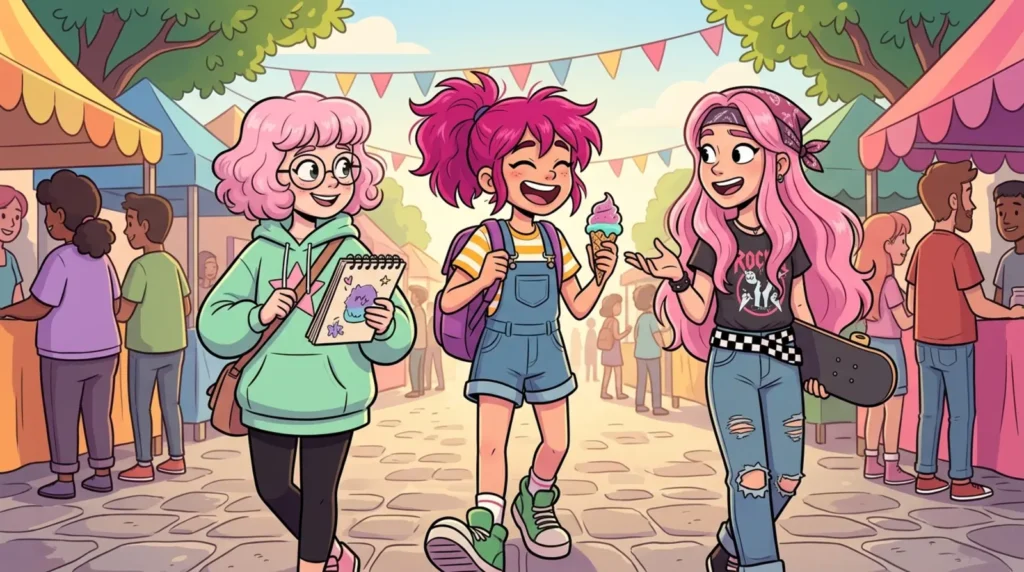
Cartoon characters with pink hair instantly pop off the screen with their bold, playful, and often larger-than-life personalities. Pink hair has become a visual shorthand in animation for energy, quirkiness, femininity, rebellion, or otherworldly charm whether it’s the bouncy curls of a party pony or the sleek magenta of a determined ninja. These characters don’t just look memorable; they embody joy, chaos, strength, and heart in ways that resonate across generations.
From classic Saturday morning stars to modern anime sensations and everything in between, pink-haired heroes, villains, and sidekicks bring color and personality to their worlds. This guide dives deep into their stories, design choices, cultural staying power, and more.
The Psychology and Symbolism of Pink Hair in Animation
Pink hair signals vitality, youth, and emotion. In character design, it contrasts with realistic tones, drawing the eye and signaling “this character is special.” Animators use varying shades—bubblegum bright for innocence, deeper magenta for intensity—and pair it with dynamic silhouettes, expressive faces, and fluid movement. Color psychology links pink to compassion, playfulness, and sometimes danger (think yandere archetypes), making it versatile for heroes and anti-heroes alike.
Historically, as animation shifted from limited palettes in the mid-20th century to vibrant CGI and anime influences, pink hair exploded in popularity. It reflects broader trends toward diverse representation, emotional depth, and visual storytelling that appeals to global audiences. Their impact extends to merchandising, cosplay, and memes, cementing them as cultural touchstones.
Read Also This Blog : Click Now
My Little Pony and Friendship Vibes: Bubbly Pink Powerhouses
Pinkie Pie (My Little Pony: Friendship Is Magic): The ultimate embodiment of laughter and joy. This earth pony’s wild pink mane, boundless energy, and party-planning skills make her the heart of Ponyville. As Pinkamena Diane Pie, she balances silly antics with deep loyalty. Fun fact: Her “Pinkie Sense” twitching ability adds hilarious unpredictability, and her songs have become internet staples.
Other pony-world connections amplify the pink aesthetic through friendship lessons and vibrant animation.
Read Also This Blog : Click Now
Adventure Time and Candy Kingdoms: Royal and Rebellious Pink Leaders
Princess Bubblegum (Adventure Time): Ruler of the Candy Kingdom with literal bubblegum-pink hair (and sometimes body). A brilliant scientist and leader, she mixes kindness with a quick temper and moral complexity. Her evolution from quirky royal to nuanced ruler showcases sophisticated character writing. Fun fact: Her gum-based biology allows shape-shifting and regeneration, perfect for wild adventures with Finn and Jake.
Teen Titans and Superhero Teams: Alien Warriors with Heart
Starfire (Teen Titans / Teen Titans Go!): The Tamaranian princess with flowing pink/red-orange hair, starbolts, and super strength. Her bubbly, affectionate personality and cultural misunderstandings create comedy gold while highlighting themes of found family and acceptance. Her design—bright colors, flowing hair, and powerful poses—makes her a standout in action sequences.
Read Also This Blog : Click Now
Pokémon and Mischievous Antagonists: Iconic Team Rocket Flair
Jessie (Pokémon): The dramatic, magenta-haired member of Team Rocket. Her theatrical flair, loyalty to partners James and Meowth, and over-the-top schemes make her endlessly entertaining. As a coordinator and villain-with-a-heart, she adds depth beyond comic relief. Fun fact: Her signature “Prepare for trouble!” motto is one of the most quoted lines in the franchise.
Nurse Joy variants across regions often feature soft pink hair, providing consistent, caring support.
Fairly OddParents and Magical Realms: Wise Fairy Godmothers
Wanda (The Fairly OddParents): Timmy Turner’s pink-haired fairy godmother. Intelligent, level-headed, and caring, she balances Cosmo’s chaos and prevents wish-related disasters. Her floating design and wand-wielding poise make her a fan favorite for witty one-liners and maternal warmth.
Read Also This Blog : Click Now
Classic and Preschool Favorites: Sweet and Simple Icons
Strawberry Shortcake: The cheerful baker with strawberry-pink hair, iconic hat, and berry-themed friends. She promotes kindness and creativity in her wholesome world.
Pinky Dinky Doo: Imaginative storyteller with pink ponytail, helping her brother through big-thinking tales.
Additional classics include elements from Care Bears (Cheer Bear) and others with pink accents.
Anime Crossovers: From Ninjas to Psychic Kids
Pink hair thrives in anime, blending Western cartoon vibes with deeper narratives.
- Anya Forger (Spy x Family): Adorable telepathic child with light pink hair. Her innocent chaos drives family comedy and heartwarming moments.
- Sakura Haruno (Naruto): Determined kunoichi whose growth from fangirl to powerhouse is iconic.
- Natsu Dragneel (Fairy Tail): Fiery Dragon Slayer with spiky pink hair and unwavering loyalty.
- Mitsuri Kanroji (Demon Slayer): Love Hashira with unique pink-green hair and immense strength.
- Zero Two (DARLING in the FRANXX): Mysterious, bold pilot with striking pink locks.
Others like Saiki Kusuo, Yuji Itadori, and Hisoka add variety across male and complex roles.
Design Psychology, Animation Techniques, and Industry Trends
Pink hair often uses soft gradients, shine effects, and bouncy physics for appeal. In 2D, it pairs with exaggerated expressions; in 3D/CGI, it enhances lighting and texture. Archetypes range from “genki girl” (high-energy) to yandere intensity or heroic resolve. Culturally, pink hair challenges gender norms while dominating girl-power narratives and influencing fashion/cosplay trends. Modern animation favors it for visual diversity in streaming hits.
Heroes vs. Villains, Classic vs. Modern, and Fun Comparisons
Heroes Table (Select Examples):
- Pinkie Pie: Hero/Party Pony – Energetic optimist; Hasbro/My Little Pony.
- Princess Bubblegum: Leader/Scientist – Intellectual ruler; Adventure Time.
- Starfire: Superhero – Compassionate warrior; DC Animation.
- Anya Forger: Kid Spy – Telepathic bundle of joy; Spy x Family.
Villains/Anti-Heroes:
- Jessie: Comedic Antagonist – Dramatic schemer; Pokémon.
- Hisoka: Antagonist – Unpredictable fighter; Hunter x Hunter.
Classic vs. Modern:
- Classic (pre-2000s): Simpler, wholesome designs like Strawberry Shortcake.
- Modern: Layered personalities with emotional arcs, like Bubblegum or Mitsuri.
Funniest: Pinkie Pie’s random antics.
Most Powerful: Mitsuri’s super strength or Starfire’s abilities.
Most Popular: Pinkie Pie and Anya dominate polls and merch.
Studio/Group Breakdown:
- Western Cartoons (Nick, Cartoon Network, Disney): Bubbly and adventurous.
- Anime: Mix of cute, powerful, and psychologically deep.
Cultural Impact, Merchandising, and Lasting Legacy
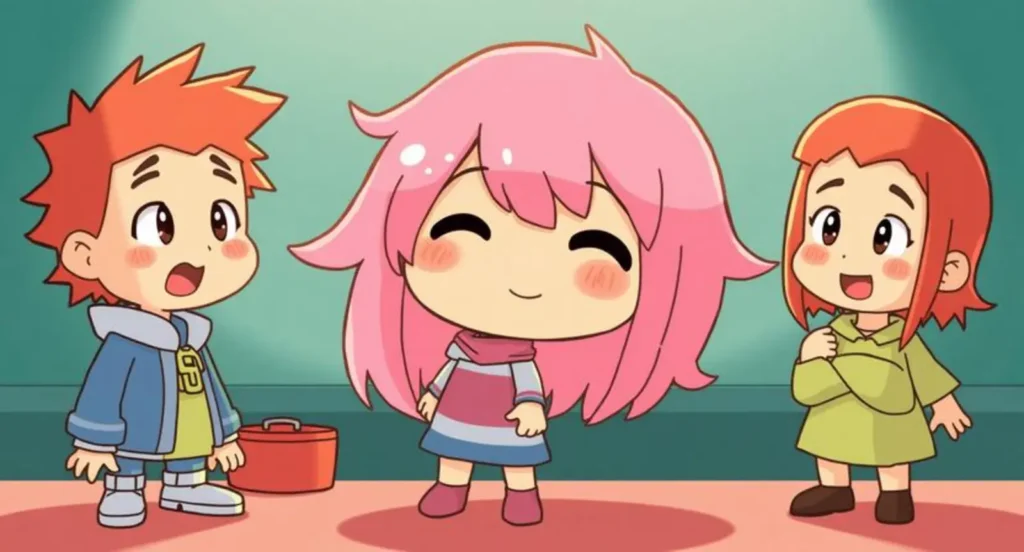
These characters drive massive fandoms—Pinkie Pie parties, Starfire cosplays, Jessie memes. They promote positivity, resilience, and self-expression while entertaining. Internet culture amplifies them through edits, fan art, and viral moments, keeping pink hair synonymous with animated charisma.
FAQs
Who is the most iconic cartoon character with pink hair?
Pinkie Pie tops many lists for her infectious energy and cultural dominance in My Little Pony.
Are there male cartoon characters with pink hair?
Yes! Examples include Natsu Dragneel, Saiki Kusuo, and Yuji Itadori, showing pink isn’t limited by gender.
What makes pink hair so popular in animation?
It stands out visually, conveys vibrant personality traits, and appeals across demographics while allowing creative freedom in design and storytelling.
Which shows feature the best pink-haired ensembles?
My Little Pony, Pokémon, Teen Titans, and various anime like Demon Slayer or Spy x Family shine with multiple or standout pink-haired stars.
Cartoon characters with pink hair prove that a splash of color can create timeless legends. They brighten screens, spark joy, and remind us animation’s power to celebrate individuality. Who’s your favorite pink-haired star? Drop it in the comments!

