

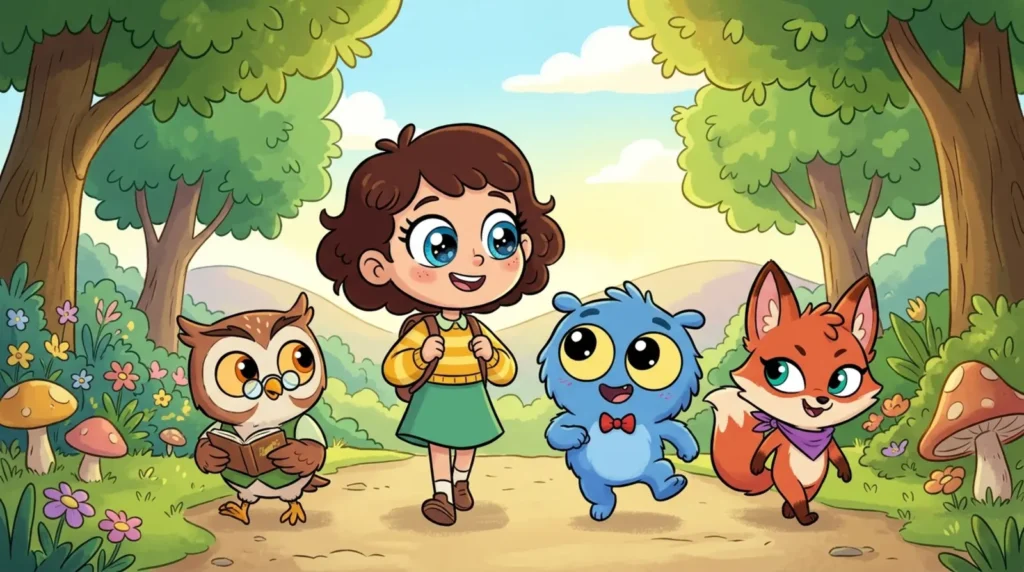
Cartoon characters with big eyes have been melting hearts and driving storytelling for nearly a century. These oversized, sparkling peepers serve as windows to emotion—conveying innocence, surprise, mischief, or determination with a single glance making them perfect for silent or dialogue-light moments. From Disney classics like Mickey Mouse and modern hits like Toothless to anime influences and Nicktoons stars, big eyes define cuteness, vulnerability, and appeal across studios.
This guide dives deep into why this design choice dominates animation, categorizes dozens of beloved examples , and explores the psychology, history, and impact behind these iconic looks. Whether you’re a fan, artist, or trivia lover, you’ll find fresh insights here.
The Enduring Power of Big Eyes in Animation
Big eyes exaggerate human (or animal) features to tap into neoteny—the “baby schema” that triggers protective instincts. In character design, they amplify expressiveness: pupils dilate for excitement, glisten with tears for sadness, or narrow for determination. This technique, rooted in early Disney and boosted by Osamu Tezuka’s anime style (inspired by Bambi and Donald Duck), became a global standard.
Animation principles like squash-and-stretch and appeal shine here eyes become focal points for visual storytelling, especially in CGI where subtle micro-expressions add depth. Culturally, they’ve fueled merchandising empires and internet memes, symbolizing innocence in a chaotic world.
Read Also This Blog : Click Now
Disney & Pixar: Timeless Charm and Emotional Depth
Disney perfected big eyes for relatability and wonder.
Mickey Mouse (Steamboat Willie onward): The ultimate icon with large, expressive circular eyes that evolved from pie-eyed to detailed orbs. As hero and everyman, his wide-eyed optimism drives adventures. Fun fact: Early designs drew from vaudeville; his eyes convey curiosity without words.
Minnie Mouse: Her doe-like eyes with long lashes emphasize femininity and charm. The perfect counterpart, she’s a stylish sidekick and leader in her own stories.
Donald Duck: Frustrated yet lovable, his bulging eyes highlight temper tantrums and slapstick. Voiced by Clarence Nash, his expressive face made him a merchandising star.
Ariel (The Little Mermaid): Her enormous turquoise eyes were groundbreaking—designed larger for non-verbal storytelling after losing her voice. This shifted Disney princess design forever.
Toothless (How to Train Your Dragon): The Night Fury’s massive, soulful eyes convey intelligence, loyalty, and playfulness. Pixar’s CGI mastery lets them dilate realistically, strengthening the bond with Hiccup.
Other notables: Bambi (innocent forest fawn), Pluto (loyal, wordless emotion), Stitch (mischievous alien with glossy black eyes), Rapunzel, Elsa, Boo (Monsters, Inc.), Vanellope von Schweetz, Judy Hopps, and Mike Wazowski (singular big eye for comedic effect).
Read Also This Blog : Click Now
Nickelodeon, Cartoon Network & Classic Stars: Energy and Exaggeration
These studios amp up the whimsy.
SpongeBob SquarePants: His huge spherical eyes radiate pure optimism and chaos. They bulge during panic or sparkle with ideas, embodying Nickelodeon’s energetic style.
Powerpuff Girls (Blossom, Bubbles, Buttercup): Oversized anime-inspired eyes define their super-cute yet powerful vibe. Bubbles’ baby blues especially highlight sweetness.
Scooby-Doo: Massive, fearful eyes convey cowardice and hunger, driving comedy in mystery-solving. His expressions make him relatable.
Garfield: Half-lidded big eyes perfectly capture laziness and sarcasm in the lasagna-loving cat.
Tweety Bird: Tiny body, enormous blue eyes—innocent yet clever against Sylvester.
Doraemon (and Dora the Explorer): Round, friendly eyes invite adventure and problem-solving.
More: Pikachu (sparking cheeks + big eyes), Tom (Tom & Jerry), Bugs Bunny (expressive but sly), Hello Kitty (minimalist charm), Betty Boop (flapper pie-eyes pioneer).
Anime & Global Influences: Emotion Amplified
Anime took Disney’s big eyes to extremes for dramatic effect. Think Sailor Moon’s sparkling orbs, Hinata Hyuga’s gentle gaze, or Gojo Satoru’s confident stare. Characters like Daria (deadpan big eyes) or Sonic (evolving from fused to dynamic) show cross-medium evolution.
Read Also This Blog : Click Now
Heroes, Sidekicks, Animals & More: Categorized for Easy Discovery
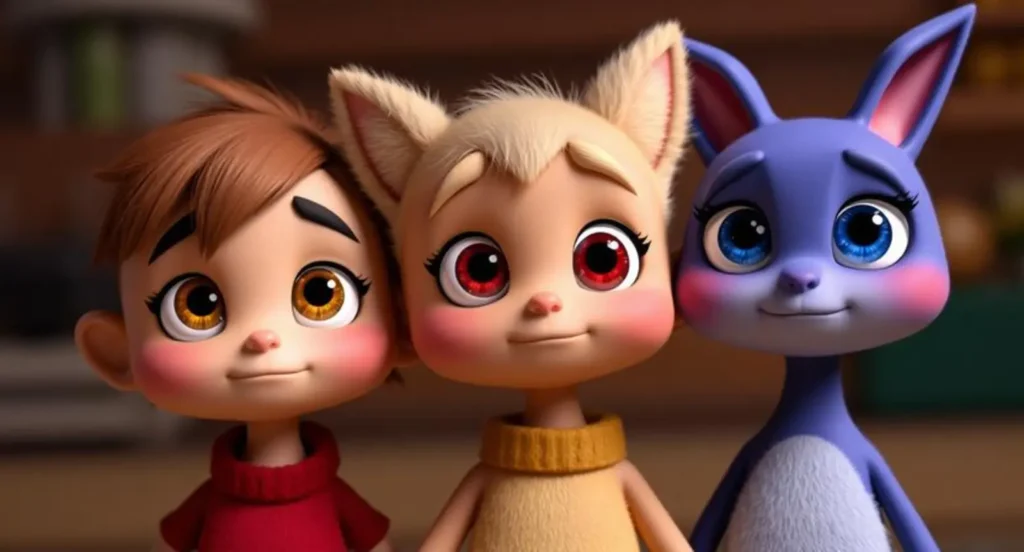
Heroes & Protagonists: Mickey, SpongeBob, Toothless, Powerpuff Girls, Rapunzel, Judy Hopps—eyes signal hope and determination.
Sidekicks & Comic Relief: Pluto, Scooby, Stitch, Mike Wazowski, Dory—eyes drive physical comedy.
Animals & Creatures: Pikachu, Tweety, Bambi, Garfield, Toothless—neoteny at its finest.
Villains & Anti-Heroes: Some use narrowed big eyes for menace (e.g., certain Looney Tunes foes), contrasting pure “good eyes.”
Classic vs. Modern Comparison:
| Aspect | Classic (e.g., Mickey, Betty Boop) | Modern (e.g., Toothless, Elsa) |
|---|---|---|
| Style | Pie/sphere eyes, 2D exaggeration | Detailed CGI, micro-expressions |
| Function | Slapstick & appeal | Emotional depth & realism |
| Impact | Vaudeville roots | Global merchandising & memes |
Most Expressive: Toothless or Ariel—eyes carry entire arcs.
Funniest: SpongeBob or Tom—eyes amplify chaos.
Read Also This Blog : Click Now
Design Psychology, Animation History & Cultural Legacy
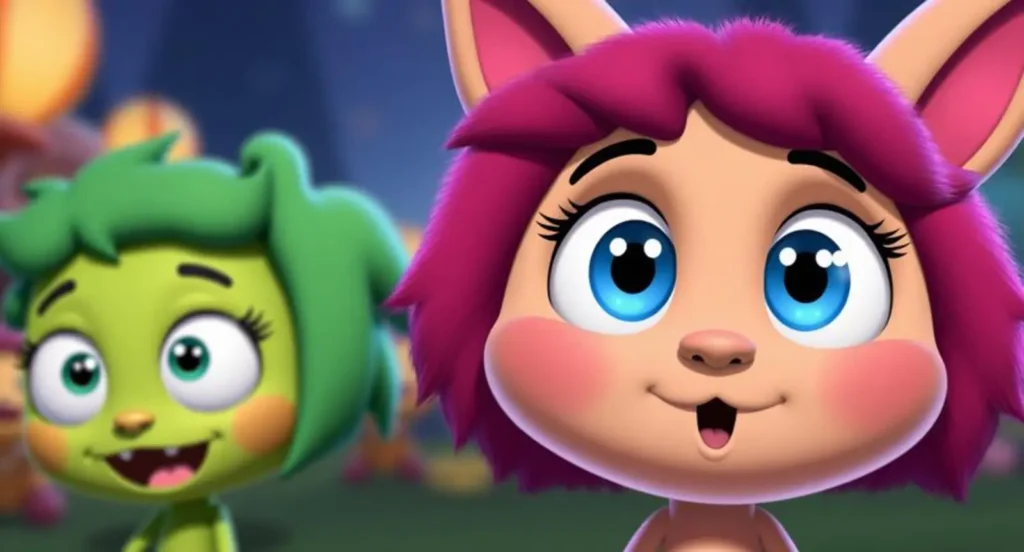
Big eyes exploit evolutionary cues for cuteness while enabling “emotional close-ups.” Color psychology (sparkles, highlights) and silhouette (large head-to-body ratio) boost memorability. Historically, from 1920s pie-eyes to Tezuka’s post-WWII boom and Pixar’s 3D revolution, they’ve evolved with technology.
Industry trends favor them for inclusivity and broad appeal. Merchandising thrives (Pikachu plushies, Powerpuff toys), and internet culture celebrates them in fan art and edits. They represent escapism—wide-eyed wonder in tough times.
FAQs
Why do so many cartoon characters have big eyes?
To enhance expressiveness and trigger cuteness responses, allowing complex emotions with minimal dialogue— a core animation storytelling tool.
Who has the biggest eyes in cartoons?
Ariel and Powerpuff Girls often top lists, with designs prioritizing emotion over realism.
Are big eyes more common in certain studios?
Yes—Disney/Pixar for heart, Nickelodeon/Cartoon Network for energy, and anime for dramatic flair.
Do big eyes appear in villains too?
Sometimes, but narrowed or shadowed versions signal menace, per “good eyes vs. evil eyes” tropes.
Cartoon characters with big eyes remain animation’s secret weapon for connection and joy. They remind us why we fell in love with these worlds through a single, sparkling glance. Who’s your favorite big-eyed star? Drop it below!

