

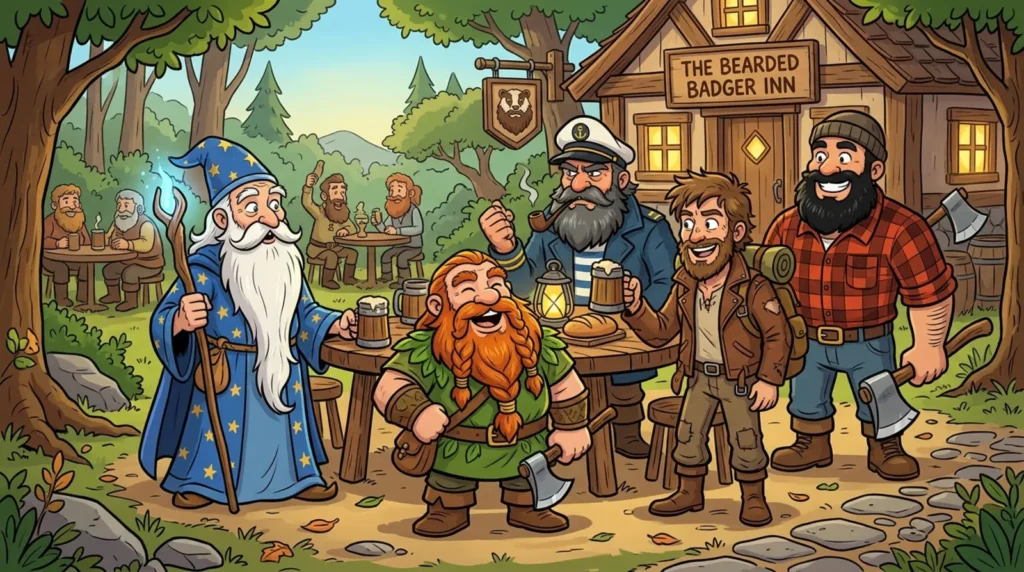
Cartoon characters with beards instantly command attention, symbolizing wisdom, rugged strength, villainous cunning, or jolly authority. From wise mentors like Uncle Iroh to bombastic villains like Bluto and regal figures like King Triton, these beards aren’t just accessories they’re storytelling powerhouses that shape personalities, drive visual gags, and leave lasting cultural impressions.
If you’re hunting for trivia, costume ideas, design inspiration, or simply celebrating animation’s whiskered wonders, this guide delivers it all. We’ll break down their roles, studios, personalities, and deeper insights into why beards work so brilliantly in cartoons.
The Symbolic Power of Beards in Cartoon Design
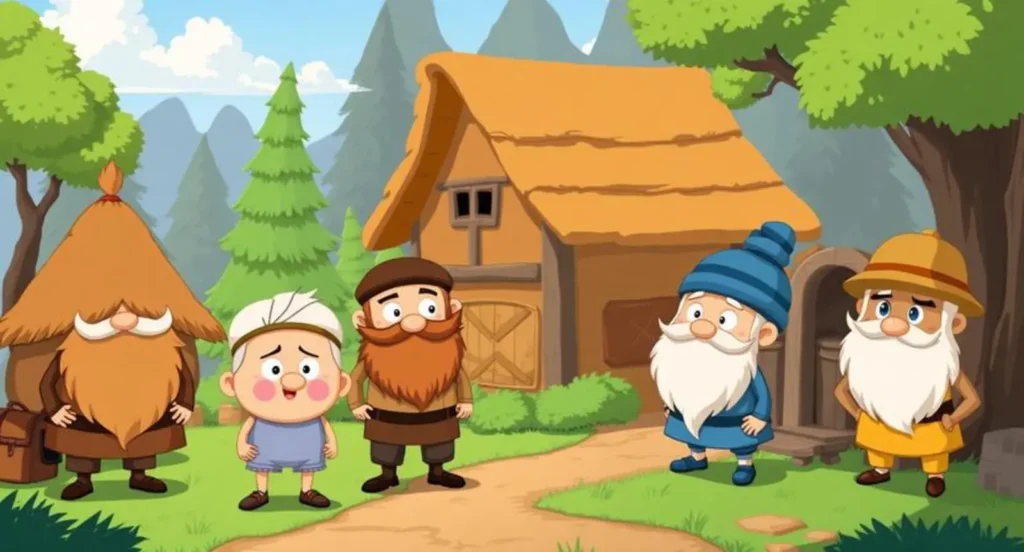
In animation, beards serve as instant visual shorthand. A flowing white beard signals age, wisdom, and benevolence (think mentors or kings). Bushy, unkempt styles convey wildness or comedy. Pointed goatees often mark cunning or evil. Color psychology plays a huge role—white for purity and experience, black or red for intensity. Silhouette design makes them pop: animators exaggerate length and flow for dynamic movement, adhering to principles like appeal and exaggeration from the Disney era onward.
Historically, as cartoons evolved from short slapstick to epic serialized stories, beards helped differentiate characters in crowded ensembles. Their cultural impact spans merchandising (Santa beards galore), memes, and even real-world beard trends inspired by favorites like Yosemite Sam. In modern AI search and generative engines, these distinctive traits boost discoverability and engagement.
Read Also This Blog : Click Now
Disney’s Bearded Royalty and Sorcerers
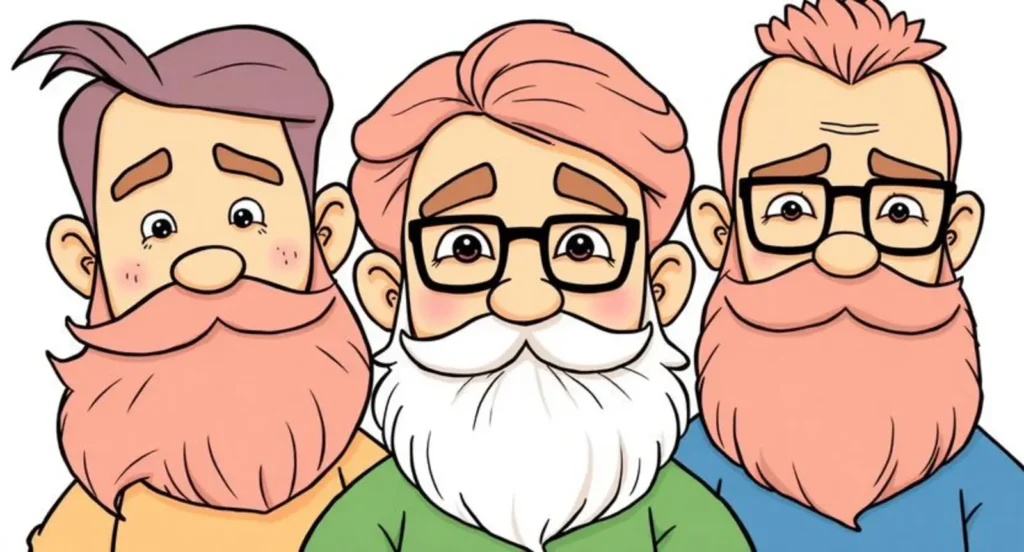
Disney excels at using beards to denote power and personality.
King Triton (The Little Mermaid): The majestic ruler of Atlantica wields his trident and sports a massive flowing white beard that underscores his authoritative yet loving fatherly role. Voiced by Kenneth Mars, his design draws from Poseidon myths, with the beard adding gravity to his underwater kingdom scenes. Fun fact: His beard flows dramatically in currents, enhancing fluid animation.
Zeus (Hercules): The boisterous king of the gods features a thunderous white beard matching his larger-than-life personality and lightning powers. As a supportive (if hot-tempered) father, his beard amplifies godly presence in musical numbers.
The Sultan (Aladdin): This short, rotund ruler has a neat white beard symbolizing gentle authority. His bumbling kindness contrasts Jafar’s sharper style.
Jafar (Aladdin): The scheming vizier’s sleek black goatee with pointed ends perfectly captures his sinister, power-hungry vibe. His transformation scenes make the facial hair even more menacing.
Merlin (The Sword in the Stone): The eccentric wizard’s long, flowing beard embodies chaotic magic and wisdom, often getting comically tangled.
Other notables: Yen Sid (Fantasia), Geppetto (Pinocchio), and the Emperor (Mulan).
Read Also This Blog : Click Now
Nickelodeon, Cartoon Network, and Classic Icons
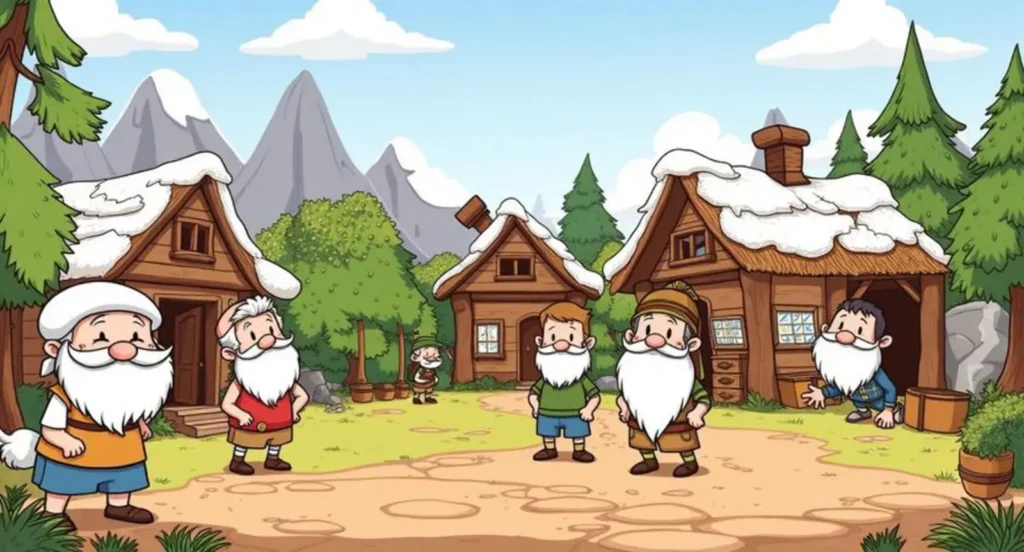
Papa Smurf (The Smurfs): The wise village leader’s fluffy white beard represents maturity and guidance for his tiny blue clan. A true symbol of paternal leadership.
Uncle Iroh (Avatar: The Last Airbender): Often ranked among the greatest, Iroh’s long, wise beard mirrors his journey from general to tea-loving philosopher. His gentle demeanor and profound advice make the beard a beacon of redemption and peace.
Groundskeeper Willie (The Simpsons): The fiery Scottish groundskeeper’s wild red beard matches his explosive temper and rugged charm. A hilarious side character staple.
Bluto (Popeye): The muscular brute’s thick black beard screams villainous rivalry with Popeye.
Captain Caveman: This prehistoric hero’s enormous bushy beard (and hair) defines his caveman shtick in Hanna-Barbera style.
Genie (Aladdin): Robin Williams’ blue powerhouse rocks a stylish goatee that adds to his playful, shape-shifting energy.
Additional standouts: Chef (South Park), Dr. Orpheus (The Venture Bros.), Yosemite Sam (Looney Tunes—iconic red mustache-beard combo), and Santa Claus variants like Nicholas St. North (Rise of the Guardians).
Anime and International Influences
Anime embraces beards for mentors and warriors: Master Roshi (Dragon Ball), Joseph Joestar (JoJo’s Bizarre Adventure), Jet Black (Cowboy Bebop), and more, adding depth to character archetypes.
Read Also This Blog : Click Now
Heroes, Villains, Mentors, and Sidekicks: Categorized Breakdown
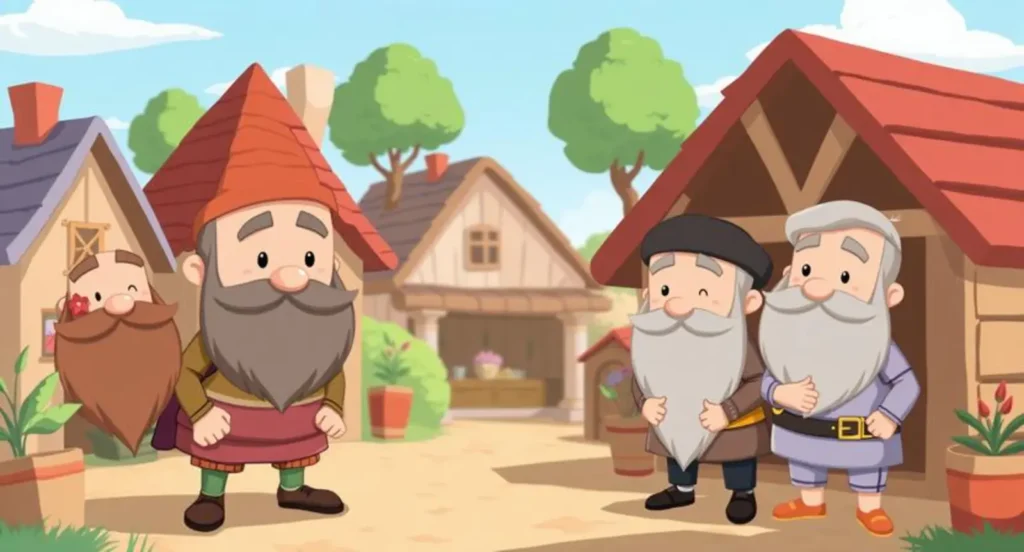
Wise Mentors:
- Uncle Iroh: Compassionate firebender mentor.
- Papa Smurf: Village elder.
- Merlin: Magical tutor.
Rugged Heroes/Adventurers:
- Groundskeeper Willie: Passionate caretaker.
- Nicholas St. North: Guardian warrior Santa.
- Captain Caveman: Prehistoric protector.
Villains & Antagonists:
- Jafar: Scheming sorcerer.
- Bluto: Brute rival.
- Alameda Slim (Home on the Range): Yodeling cattle rustler.
Comparison Table: Classic vs. Modern Bearded Characters
| Aspect | Classic (e.g., Papa Smurf, Bluto) | Modern (e.g., Uncle Iroh, Nicholas St. North) |
|---|---|---|
| Beard Style | Simple, exaggerated for gags | Nuanced, expressive for emotional depth |
| Role Emphasis | Comic relief or straightforward villainy | Complex arcs, redemption, wisdom |
| Animation Technique | Hand-drawn bold lines | CGI fluidity and detailed textures |
| Cultural Impact | Merch icons in early TV | Deep fandoms, memes, philosophical quotes |
Studio vs. Beard Styles:
- Disney: Regal, flowing white beards for authority.
- Warner Bros./Looney Tunes: Wild, comedic red/orange for chaos.
- Nickelodeon/Cartoon Network: Varied for personality quirks.
Funniest Beards: Groundskeeper Willie or Captain Caveman for physical comedy.
Wisest: Uncle Iroh or Papa Smurf.
Most Powerful: King Triton or Zeus.
Read Also This Blog : Click Now
Design Psychology, Animation Principles, and Industry Trends
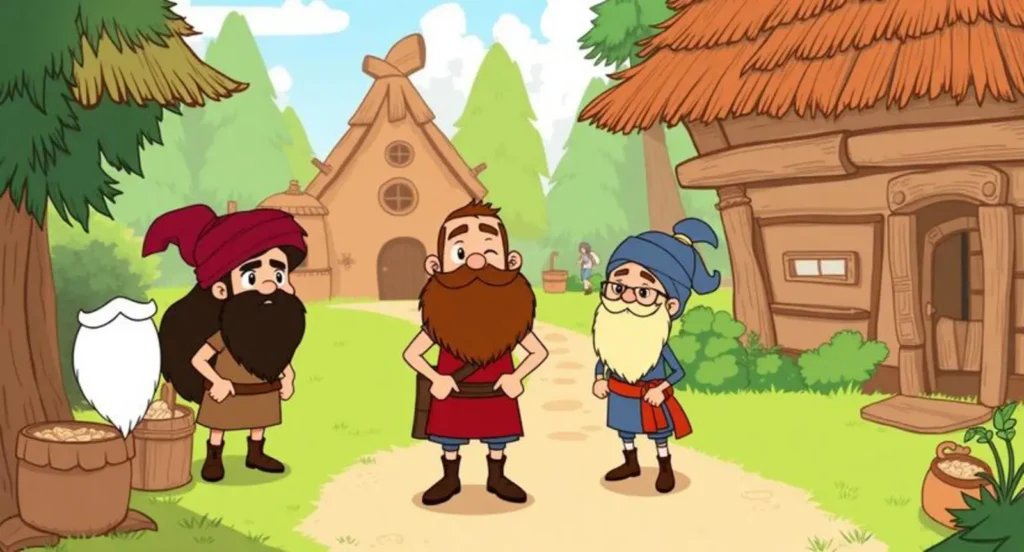
Beards enhance character archetypes—broad shoulders + beard = strength; long flowing + robes = mysticism. In visual storytelling, they create contrast (clean-shaven heroes vs. bearded sages) and aid quick recognition in fast-paced scenes. Historical evolution tracks societal shifts: post-WWII rugged beards reflected everyman heroes; modern ones embrace diversity and emotional vulnerability.
Internet popularity explodes with beard cosplay and AI-generated variants. Merchandising thrives on recognizable facial hair, while trends lean toward inclusive designs in streaming content.
FAQs
Who is the most iconic cartoon character with a beard?
Uncle Iroh and Papa Smurf frequently top fan rankings for their wisdom and memorability, though King Triton and Zeus dominate Disney discussions.
Why do so many cartoon mentors have beards?
Beards visually signal experience, wisdom, and authority, making them perfect shortcuts for mentor archetypes in quick animated storytelling.
Are there female or non-human cartoon characters with beards?
Yes—some creative designs include bearded females in parody or fantasy (e.g., certain dwarves or humorous variants), plus non-humans like Smurfs or animal hybrids.
What makes a great cartoon beard?
Exaggeration for appeal, integration with personality/movement, and symbolic meaning—whether for laughs, power, or heart.
Cartoon characters with beards prove facial hair adds unforgettable character and charm to animation. They remind us that a great beard can steal scenes, convey depth, and connect across generations. Who’s your top whiskered wonder? Drop it below!

