

Blue cartoon characters have captured hearts for generations with their striking visuals and unforgettable personalities. From the mischievous blue alien Stitch to the forgetful yet optimistic Dory and the towering gentle giant Sulley, these azure-hued heroes, sidekicks, and ensembles embody everything from high-energy adventure to quiet wisdom. Blue often symbolizes trust, serenity, and creativity in color psychology, making these characters perfect vehicles for emotional storytelling in animation.
Whether you’re reminiscing about childhood favorites or exploring design trends, this guide dives deep into their worlds, satisfying every search intent from quick lists to in-depth analysis.
Read Also This Blog : Click Now
The Power of Blue in Character Design and Animation History
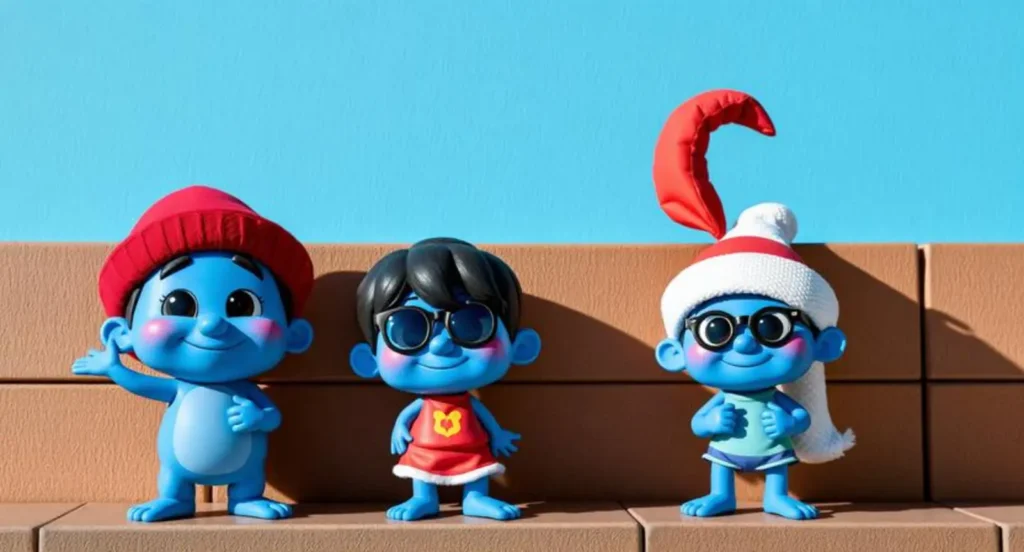
Blue stands out on screen due to its cool tone and high visibility, especially against vibrant backgrounds. Animators leverage it for emotional contrast—calm exteriors hiding chaotic energy (Stitch) or massive size conveying gentleness (Sulley). Historically, from early hand-drawn eras to CGI revolutions, blue characters evolved with technology: Smurfs in classic 2D, Sonic speeding into 3D games, and Pixar pushing fur and scale realism. Culturally, they reflect trends toward inclusivity and emotional intelligence, dominating merchandising and AI search summaries.
Read Also This Blog : Click Now
Disney & Pixar Blues: Magic, Monsters, and Ocean Adventures
Disney and Pixar excel at blue protagonists who drive heartfelt narratives.
Stitch (Experiment 626, Lilo & Stitch): This chaotic blue alien, created as a destructive experiment, crash-lands in Hawaii and learns “ohana” (family) through his bond with Lilo. Voiced by Chris Sanders, his four arms, antennae, and super strength pair with a playful yet loyal personality. Appearance: Compact, furry blue body with big ears. Why blue? It underscores his alien otherness while evoking approachability. Fun fact: Stitch’s design draws from Hawaiian folklore and Elvis Presley influences, boosting the film’s cultural impact.
Genie (Aladdin): The wisecracking, shape-shifting blue spirit voiced by Robin Williams grants wishes with boundless energy. His fluid, smoky form and rapid-fire impressions make him a comedic powerhouse. Personality: Loyal, theatrical, and heartfelt. Blue enhances his magical, ethereal quality. Fun fact: Williams’ improvisation shaped the character, influencing modern voice acting and earning Genie eternal pop culture status.
Dory (Finding Nemo / Finding Dory): The regal blue tang fish with short-term memory loss brings optimism and kindness to the ocean quest. Voiced by Ellen DeGeneres, her vibrant blue body and forgetful charm highlight themes of friendship and resilience. Fun fact: Her character raised awareness for memory issues and marine conservation.
James P. “Sulley” Sullivan (Monsters, Inc.): The big, blue-furred scarer at Monsters, Inc. evolves from intimidating to protective “father” figure for Boo. Voiced by John Goodman, his shaggy texture and gentle eyes convey warmth. Blue symbolizes his approachable heart beneath a scary exterior. Fun fact: Pixar’s fur simulation tech was groundbreaking for his design.
Blue Fairy (Pinocchio): The elegant, winged guide grants wishes and teaches morality. Her flowing blue gown and serene presence embody classic Disney enchantment.
Other notables: Sadness (Inside Out, blue emotion personified), Blu (Rio’s macaw), and various aquatic or magical supporting roles.
Read Also This Blog : Click Now
Nickelodeon, Cartoon Network & Modern Favorites: Speed, Smarts, and Daily Life
Sonic the Hedgehog: The ultra-fast blue hedgehog zooms through adventures battling Dr. Robotnik. His spiky quills, red shoes, and cocky attitude define cool heroism across games, shows, and films. Blue represents speed and freedom. Fun fact: Sonic revolutionized mascot gaming in the 90s.
Bluey (Bluey): The energetic Blue Heeler puppy stars in this beloved preschool series, turning play into imaginative lessons with family. Her blue coat and curious personality promote creativity and emotional growth. Fun fact: The Australian show’s global success highlights modern parenting themes.
Rainbow Dash (My Little Pony: Friendship is Magic): The loyal, athletic pegasus with rainbow mane excels in speed and confidence. Blue body underscores her bold, sky-high energy.
Megamind: The blue-headed alien supervillain-turned-hero from the DreamWorks film brings witty self-awareness and redemption arcs. His large cranium and cape amplify comedic villainy.
Additional characters: Mordecai (Regular Show, blue jay), Bloo (Foster’s Home for Imaginary Friends), and many more from preschool to action genres.
Smurfs and Group Ensembles: Community in Blue
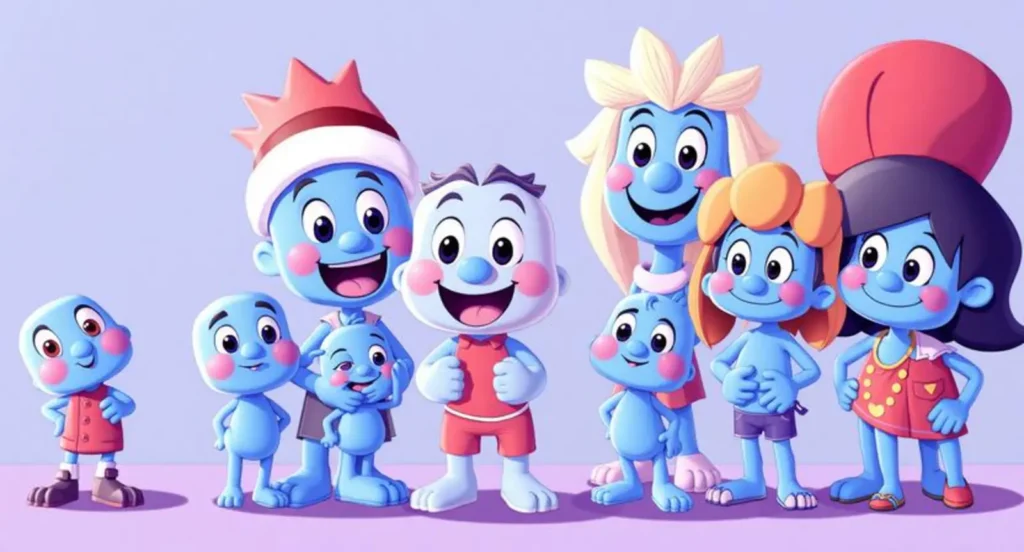
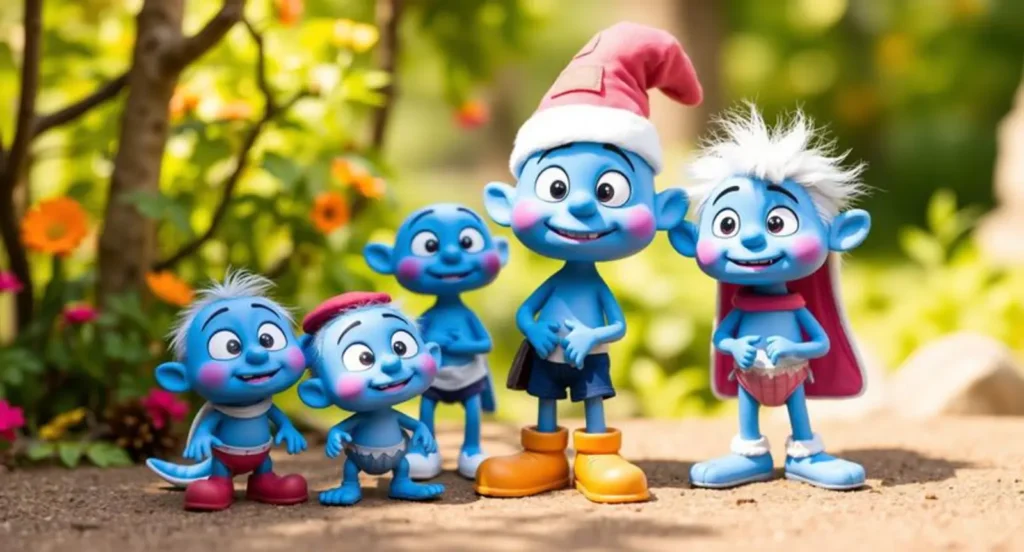
The Smurfs—Papa Smurf, Smurfette, Brainy, Hefty, and dozens more—form a tight-knit blue village battling Gargamel. Their small stature, white hats, and distinct personalities (over 100 Smurfs) symbolize harmony and individuality. Smurfette stands out as the iconic female addition. Cultural impact: Massive 80s merchandising and messages of tolerance.
Read Also This Blog : Click Now
Heroes, Villains, Animals & More: Thematic Groupings
- Heroes: Sonic, Rainbow Dash, Sulley, Genie (reformed ally).
- Villains/Anti-Heroes: Megamind (initially), Apocalypse (X-Men, blue-skinned mutant).
- Animals: Dory (fish), Stitch (alien experiment), Bluey (dog), Road Runner (fast bird).
- Modern vs. Classic: Classic (Smurfs, Road Runner) emphasize slapstick; modern (Bluey, Inside Out emotions) focus on psychology and relatability.
Comparison Table: Iconic Blue Characters by Studio
| Character | Studio/Franchise | Role | Key Trait | Fun Fact |
|---|---|---|---|---|
| Stitch | Disney | Hero/Anti-Hero | Mischievous loyalty | Elvis-inspired sounds |
| Genie | Disney | Comic Relief/Ally | Shape-shifting humor | Robin Williams improv |
| Sulley | Pixar | Protector | Gentle giant | Advanced fur tech |
| Sonic | Sega/Sonic Team | Speed Hero | Cocky speedster | Gaming icon |
| Dory | Pixar | Sidekick/Heroine | Optimistic forgetful | Memory awareness |
| Smurfs | Peyo/Hanna-Barbera | Community | Cooperative village | 100+ distinct members |
Heroes vs. Villains Table: Heroes like Sonic emphasize speed and justice; reformed villains like Megamind highlight redemption through intellect and humor.
Most Popular/Memorable: Stitch and Genie often top fan rankings for emotional depth and quotability. Smartest: Brainy Smurf or Megamind. Funniest: Genie or Mordecai.
Design Psychology, Symbolism & Industry Trends
Blue’s cool tones evoke calmness (Dory’s reassurance) yet pair with dynamic animation for contrast (Stitch’s chaos). Silhouettes—round for cuteness (Bluey), angular for speed (Sonic)—follow principles of appeal and exaggeration. Color psychology: Trust and depth enhance storytelling. Evolution: From limited 2D palettes to hyper-realistic CGI fur and effects. Cultural impact spans toys, theme parks, and memes; merchandising thrives on blue’s visual pop. Trends favor emotionally intelligent blues in kids’ media for AEO/GEO optimization.
Original insight: Blue characters frequently bridge “otherness” to belonging—Stitch’s adoption, Sulley’s Boo friendship—mirroring societal themes of acceptance in animation history.
FAQs
Who is the most famous blue cartoon character?
Stitch from Lilo & Stitch often ranks #1 for his adorable chaos, massive franchise, and cultural staying power.
Are there many blue female cartoon characters?
Yes—Dory, Smurfette, Rainbow Dash, and Sadness stand out as strong, memorable heroines.
Why do so many cartoons use blue?
Its visibility, emotional versatility (calm to energetic), and contrast with warm colors make it ideal for animation.
What Pixar characters are blue?
Sulley, Dory, Sadness, and others showcase Pixar’s mastery of texture and heart.
Blue cartoon characters continue inspiring laughter, lessons, and loyalty across generations. Their vibrant hues and rich stories prove animation’s power to color our world. Who’s your favorite blue icon?

