
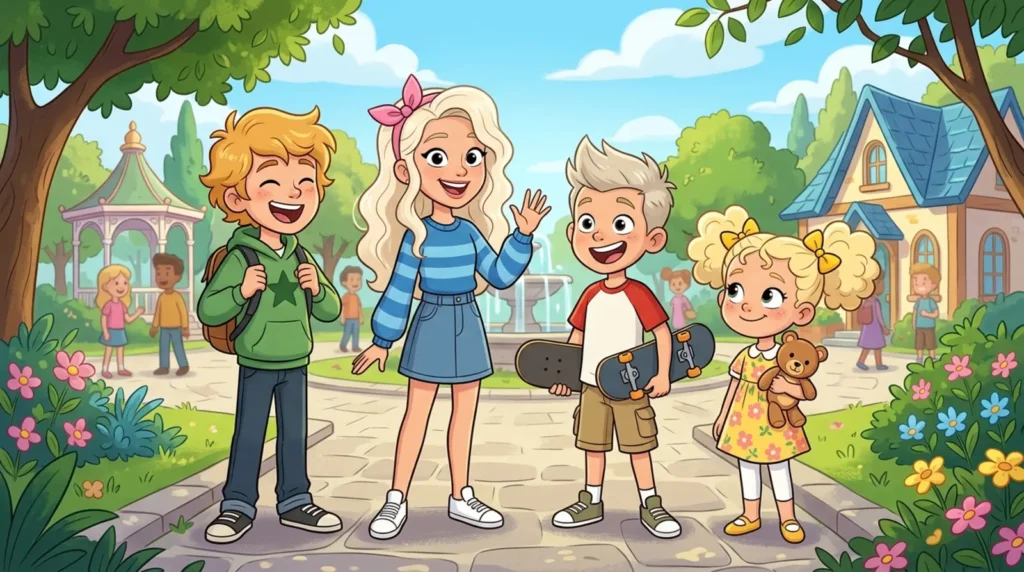
Cartoon characters with blonde hair light up screens with their radiant, eye-catching designs that instantly signal innocence, heroism, mischief, or icy power. From classic Disney princesses like Rapunzel and Aurora to modern favorites like Elsa and Sailor Moon, blonde hair has become a visual shorthand in animation for standout personalities, magical abilities, and timeless appeal.
This comprehensive guide explores the most beloved blonde animated icons across studios, eras, and genres. Whether you’re hunting for trivia, design inspiration, or nostalgic favorites, you’ll find everything here—categorized lists, deep dives, comparison tables, and original insights that go beyond surface-level lists.
The Symbolic Power of Blonde Hair in Character Design
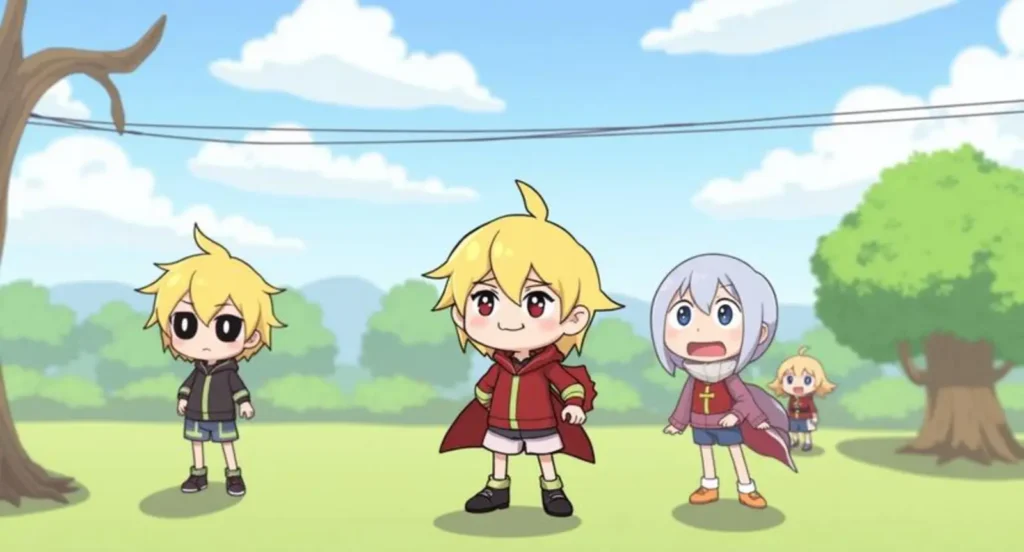
Blonde hair in cartoons often symbolizes purity, youth, vitality, or otherworldliness. Animators leverage golden hues for high contrast against vibrant backgrounds, using techniques like luminous shading and flowing animation to make strands feel alive—think Rapunzel’s magical glowing locks or Tinker Bell’s shimmering pixie dust trail. Color psychology plays a huge role: warm golds evoke warmth and approachability (Bubbles, Anna), while platinum shades suggest cool detachment or power (Elsa).
Historically, post-WWII animation leaned into fairytale archetypes where blonde heroines represented aspirational beauty. As the industry evolved through the 90s Nicktoons boom and CGI revolutions, blonde characters gained complexity—ditzy yet brave (Lindsay), genius inventors, or reluctant leaders—challenging “dumb blonde” tropes while embracing Hair of Gold, Heart of Gold motifs.
Read Also This Blog : Click Now
Disney & Pixar Blonde Legends: Princesses, Fairies, and Heroes
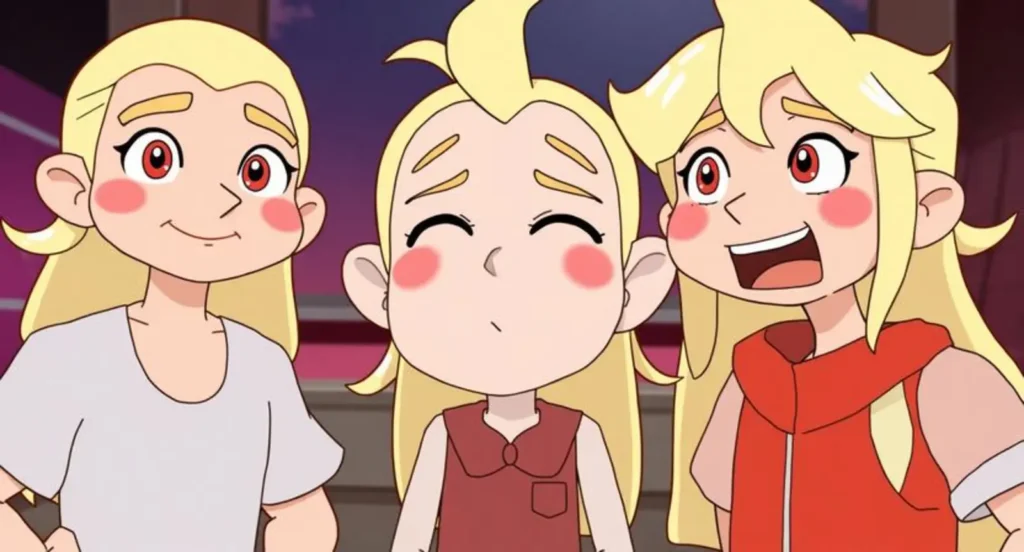
Disney’s roster is packed with golden-haired stars who shaped generations.
Rapunzel (Tangled): The adventurous princess with 70 feet of magical blonde hair that heals and glows. Voiced by Mandy Moore, she’s a creative, free-spirited hero who defies isolation. Her design—long flowing locks as both plot device and visual spectacle—exemplifies visual storytelling. Fun fact: Cutting her hair marks a pivotal character arc, symbolizing freedom over power.
Tinker Bell (Peter Pan / Disney Fairies): The feisty tinker fairy with a blonde bun and green dress. Her jealousy, loyalty, and pixie dust magic make her a complex sidekick-turned-star. Appearance: Petite, expressive, with sparkling wings. Fun fact: Based partly on live-action reference, she’s become a Disney mascot.
Elsa (Frozen): Platinum blonde queen with ice powers. Her transformation song “Let It Go” and evolving braid highlight emotional growth. As a powerful, independent ruler, she redefined princess archetypes.
Aurora (Sleeping Beauty): The graceful, golden-haired princess cursed into slumber. Her elegant design and “Once Upon a Dream” sequence embody classic fairytale romance.
Cinderella: The kind, hardworking heroine with strawberry-blonde hair in many depictions. Her ball gown transformation remains iconic.
Other notables: Alice (curious dreamer with pale blonde hair), Anna (warm-hearted sister with braided blonde locks), Charlotte La Bouff (bubbly socialite), and Pixar’s Elastigirl/Helen Parr (practical superhero mom with a bob).
Read Also This Blog : Click Now
Nickelodeon, Cartoon Network & Classic TV Blondes: Spunky Kids and Mystery Solvers
Bubbles (The Powerpuff Girls): The sweetest of the trio with blonde pigtails and blue eyes. Her animal communication and sonic screams balance cuteness with heroism.
Fred Jones (Scooby-Doo): The blonde, ascot-wearing leader of Mystery Inc. Athletic, trap-obsessed, and level-headed—perfect ascot-wearing archetype.
Angelica Pickles (Rugrats): Spoiled, blonde-pigtailed cousin with a big personality. Her schemes drive chaos and humor.
Johnny Bravo: The muscular, narcissistic blonde with gravity-defying hair. His “Mama!” catchphrase and failed pick-up lines make him a comedy icon.
Leni Loud (The Loud House): Ditzy but kind blonde sister with a unique fashion sense.
More: Cindy Vortex (Jimmy Neutron—smart rival), Smurfette (The Smurfs—created blonde beauty), Dee Dee (Dexter’s Laboratory—energetic sister), and Lindsay (Total Drama—ditzy contestant).
Read Also This Blog : Click Now
Anime & International Blondes: From Magical Girls to Ninjas
Blonde hair stands out dramatically in anime, often denoting foreign heritage or special status.
Usagi Tsukino / Sailor Moon: The clumsy-yet-heroic blonde in iconic odango buns. Leader of the Sailor Scouts, she grows from crybaby to savior.
Naruto Uzumaki: Energetic ninja with spiky blonde hair. His never-give-up spirit and Nine-Tails power define shonen heroism.
Edward Elric (Fullmetal Alchemist): Genius alchemist with braided blonde hair. His determination and automail limbs fuel epic adventures.
Saber (Fate/stay night): Stoic knight with blonde hair and Excalibur. Embodiment of chivalry and duty.
Others: Finn (Adventure Time—adventurous hero), Kristoff (Frozen—rugged iceman), Adrien Agreste/Chat Noir (Miraculous Ladybug), and many more across Digimon, Dragon Ball (Super Saiyan forms), etc.
Read Also This Blog : Click Now
Heroes vs. Villains, Classic vs. Modern: Tables & Comparisons
Blonde Heroes Table:
- Rapunzel: Hero/Princess – Creative explorer; Disney.
- Sailor Moon: Magical Hero – Friendship-powered; Anime.
- Bubbles: Superhero Kid – Kind powerhouse; CN.
Blonde Villains/Anti-Heroes (or complex): Some like certain Mean Girls-inspired or scheming types, but blondes often subvert expectations toward redemption.
Classic vs. Modern:
- Classic (pre-2000): Innocent archetypes (Aurora, Cinderella) with passive grace.
- Modern: Empowered, flawed leads (Elsa, Rapunzel) emphasizing agency and emotional depth.
Most Popular: Rapunzel, Barbie, Tinker Bell top fan rankings.
Studio Spotlight: Disney leads in fairytale blondes; Nickelodeon in relatable kids; Anime in high-energy protagonists.
Design Psychology, Cultural Impact & Industry Trends
Blonde hair aids silhouette recognition and merchandising (dolls, costumes). Animation principles like appeal and exaggeration shine here—flowing hair for dynamism. Culturally, blondes challenged and reinforced stereotypes, evolving into diverse representations. Internet memes and fan art keep them viral, while GEO/AI searches favor their visual distinctiveness.
Original insight: Blonde characters often drive “transformation” narratives—hair as metaphor for hidden potential (Rapunzel’s glow, Elsa’s powers).
FAQs
Who are the most iconic cartoon characters with blonde hair?
Rapunzel, Tinker Bell, Sailor Moon, Elsa, and Barbie consistently rank highest for their cultural staying power.
Are there more blonde female or male cartoon characters?
Females dominate princess/fairy tropes, but males like Fred Jones, Johnny Bravo, and Naruto balance the field.
Why is blonde hair so common in Disney characters?
It ties to fairytale traditions, provides strong visual pop in Technicolor, and symbolizes idealized heroism.
Do blonde characters always fit the ‘dumb blonde’ stereotype?
No—modern examples like Elsa, Edward Elric, and Cindy Vortex showcase intelligence, strength, and complexity.
Blonde-haired cartoon characters continue to enchant with their golden glow and unforgettable stories. From magical tresses to heroic spikes, they prove hair color is more than aesthetics it’s a gateway to personality and legend. Who’s your favorite blonde icon? Drop it below!

